About Hydraulic Rock Splitter
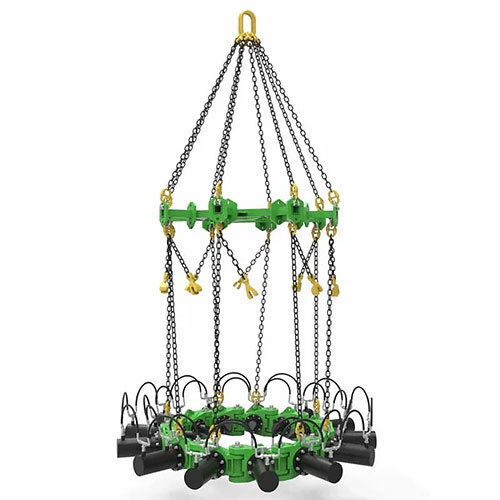
Hydraulic Rock Splitter is used for breaking or splitting rock, concrete, or other hard materials. It is commonly used in construction, mining, quarrying, and demolition applications where there is a need to break large rocks or concrete structures into smaller pieces. Hydraulic Rock Splitter is powered by hydraulic systems, typically using a hydraulic pump and hydraulic fluid. The hydraulic power generates high-pressure forces that are applied to the rock or concrete, causing it to crack and split. This rock splitter also offers precise control over the splitting process. The hydraulic system allows for adjustable force and pressure, enabling operators to control the splitting operation based on the material hardness and desired result.
Specifications
| Item | PRS-80 | PRS-85 |
| Material | Rock Concrete | Rock Concrete |
| Cylinder Weight (kg) | 27 | 33 |
| Cylinder Length (mm) | 665 | 670 |
| Cylinder Diameter (mm) | 80 | 85 |
| Piston Diameter (mm) | 45 | 50 |
| Piston Max Storke (mm) | 29 | 29 |
| Piston Qty of Cylinders (each) | 11 | 10 |
| Force of Cylinder (ton) | 193 | 216 |
| Cylinder Qty per Rock Splitter (each) | 4 | 4 |
| Working Oil Pressure (kg/cm2) | 1100 | 1100 |
| Rock Splitter Force (ton) | 772 | 864 |
| Core Drilling Diameter (mm) | 85 | 90 |
| Electricity | Single phase 220V | Single phase 220V |
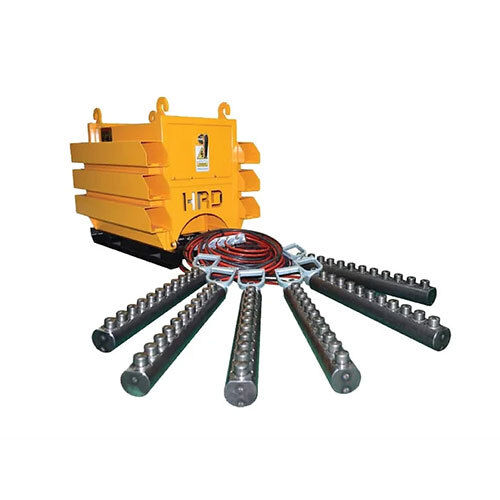
Efficient Rock Splitting SolutionCombining superior splitting power with quiet operational characteristics, this hydraulic rock splitter is ideal for use in sensitive urban construction or confined spaces. Its non-explosive operation ensures safety and compliance with environmental standards.
Versatile and Durable DesignBuilt from high-strength, polished alloy steel, the splitter withstands rigorous use in mining, demolition, and quarrying. It operates efficiently with either a manual or motorized pump, offering adaptability for varied site requirements.
Portable and User-FriendlyWeighing between 18-30 kg and supplied with a convenient carry case, this device is designed for easy transport and quick set-up. The included wedge set and hydraulic pump simplify the process for both professionals and first-time users.
FAQ's of Hydraulic Rock Splitter:
Q: How does the hydraulic rock splitter operate in comparison to traditional breaking methods?
A: Unlike traditional methods that rely on explosives or heavy machinery, the hydraulic rock splitter uses a high-pressure hydraulic system to expand wedges inside drilled holes, generating forces of 40-60 tons to split rocks quietly and safely. This approach results in significantly lower noise levels (<80 dB) and minimizes vibration, making it suitable for sensitive sites.
Q: What materials and sizes of rocks can the splitter handle?
A: The splitter is capable of breaking hard rocks, concrete, and mineral blocks with a drilling hole diameter requirement of 45-110 mm and splitting depths up to 600 mm. Its high-strength alloy steel construction ensures reliability across a wide range of stone and concrete types typically encountered in construction and quarrying.
Q: Where can this product be effectively used?
A: The hydraulic rock splitter is designed for demolition, mining, quarrying, and construction projects. Its low noise and non-explosive operation enable safe use in urban developments, tunnels, and near infrastructures sensitive to vibration and loud disruption.
Q: What is the process for operating the rock splitter?
A: To use the rock splitter, first drill a suitable hole (45-110 mm in diameter) into the rock or concrete. Insert the wedge set into the hole, connect the hydraulic hoses and pump, then activate the pump. The hydraulic force drives the wedges outward, splitting the material efficiently. Portable and electric/gasoline-powered pumps are available, depending on model preference.
Q: When should I choose a hydraulic rock splitter over other demolition tools?
A: Opt for the hydraulic rock splitter when a project demands precise, controlled, and vibration-free rock or concrete breaking, especially in noise-sensitive areas, confined spaces, or when avoiding explosive techniques. It's particularly beneficial where safety and environmental factors are priorities.
Q: What are the key benefits of using this splitter?
A: Key advantages include high splitting force, low operational noise, safe and vibration-free operation, portability, user-friendly controls, and durable alloy steel construction. Its manual or motorized operation options make it adaptable to various field conditions.